Without an accurate soil analysis map, how can you accurately manage your fields at a production zone level to maximize profitability? This is a critical portion that grid sampling overlooks.
Read More
Without an accurate soil analysis map, how can you accurately manage your fields at a production zone level to maximize profitability? This is a critical portion that grid sampling overlooks.
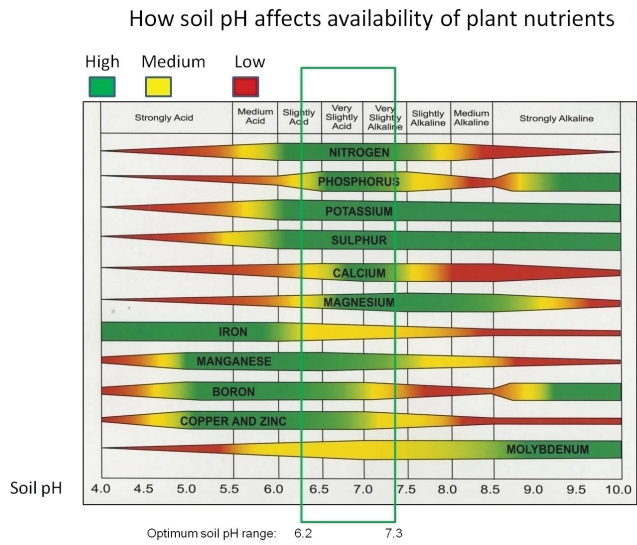
Read MoreAs margins tighten, the best spend of money is to use high intensity pH, which lends to nutrient availability and ROI of fertility dollars spent.
Read MoreThis is the first place we use the soil mapping zones. We can manage the change in any single nutrient quicker, leading to the most accurate and best use of your fertility dollars.
Read MoreWe do not use yield data history to produce seeding recommendations because there are too many environmental factors that affect yield. Poor correlation of physical properties and yield can damage profitability when done incorrectly.
Read MoreIt takes an understanding of the physical, chemical, and biological aspects of the soil to manage the different forms of nitrogen. Through all of this we can produce daily nitrogen prescriptions.
Read MoreUse TrailBlazing Crop Monitoring to identify and treat in-season yield limiting issues, using a combination of imagery, crop disease models, and in-person visits to find surface level issues – and a deeper dive if needed.
Read MoreFertility recommendations are developed in a multi-step process. Lime recommendations are developed the year of soil sampling. Recommendations are generated to raise the pH to 6.5 based on the buffer pH.
Read MoreThis allows field activities to sync to our office. The benefits of this are numerous. This information sharing can give us real-time intelligence to get personnel out to the the field quicker, for you to make faster decisions when timing is critical. Time is money!
Read More